Oceania · Australia and New Zealand
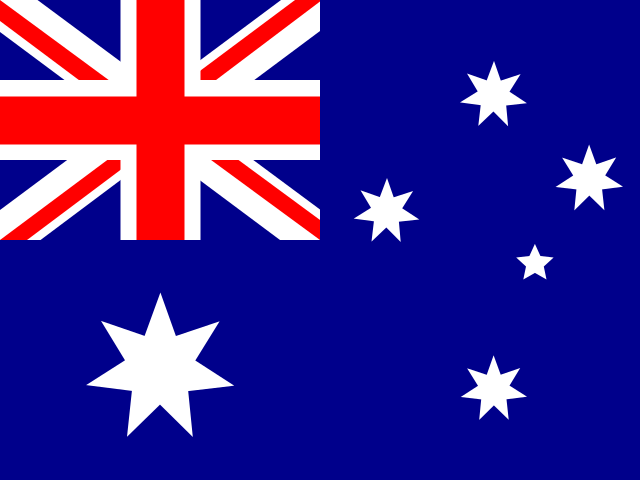
How to draw Australia from memory
Australia is a single continuous landmass, roughly as wide as it is tall. Lock that proportion in before you worry about any individual stretch of border. Its border sits in the middle of the difficulty range — enough straight sections to anchor you, enough detail to punish a careless stroke.
- Difficulty
- medium
- Population
- 25.4 m
- Code
- AUS
- Attempts
- 134
- Avg score
- 74
- Best
- 74
Draw Australia
Practice · draw from memory
Australia
A four-step strategy for Australia
- 01
Start by fixing the overall footprint. Australia is close to square overall, so a lopsided sketch loses points fast.
- 02
Anchor one unmistakable feature — the straightest border section or the sharpest cape — and draw outward from it in a single continuous stroke.
- 03
Close the loop back to where you started. An open shape gets filled unpredictably and drags your score down.
- 04
Submit, read the nine-sector grid, and redraw immediately. The sector readout names the region you under-drew, and a second attempt typically gains 10–20 points.
 CobaltOwl
Quick facts
- Continent
- Oceania
- Subregion
- Australia and New Zealand
- Outline pieces
- 1
- Detail score
- 2.88
Three things that go wrong when people sketch Australia
Each one is measured off the outline the game scores, not copied from a reference atlas: the proportions, the straight sections and the way the shape breaks into pieces are all properties of the coordinates your stroke gets compared against.
Not one straight edge to anchor the shape
The longest unbroken run in the whole outline is under 8% of the perimeter, and the coast folds back 1.57× on the smooth ring that would wrap it. Choose two deep inlets and one sharp promontory as anchors, and let everything between them stay approximate.
Both ends are pinched
The widest slice across the centre is 2.1× broader than either the northern or the southern edge. Place the two narrow ends early and the bulge between them cannot come out wrong.
Australia is close to square
Width against height comes out at 1.27 to 1, so the shape neither runs away sideways nor stretches vertically. Set that box first: with a near-square country almost every lost point comes from the coast detail inside it, not the footprint.
Answer key: the real shape of Australia
- Box on the canvas
- 440 × 346 units
- Width to height
- 1.27 : 1
- Separate landmasses
- 1
- Longest straight run
- Nothing over 8% of the perimeter
- Coast against silhouette
- 1.57× the wrapping outline
Open it after you have drawn Australia at least once. Seeing the shape first replaces the recall the score is meant to measure with tracing, and tracing always scores higher than remembering.
Why Australia is scored this way
Country Drawing does not compare your sketch to a picture of Australia. It scales and centres both your stroke and the real border into the same box, fills them, and measures how much of the two shapes overlap relative to their combined area. That means you are never punished for drawing Australia small, off to one side, or rotated slightly — only for getting the shape itself wrong. The nine-sector grid then splits the real border into a 3×3 mesh and reports coverage per cell, which is how it can tell you that you lost the whole eastern edge rather than just handing you a number.
Australia by the numbers
Australia covers 7,692,024 km², which makes it the 6th largest of 190 countries in the game and the 1st largest in Oceania. The capital is Canberra at about 27°S, 133°E, and it sits in Australia and New Zealand. It shares no land border at all, so every metre of the outline you have to draw is coastline.
Next to Australia: regional peers
Size is what the outline has to fill, so comparing countries of the same region side by side is the fastest way to get the proportions into your head before you draw.
| Country | Area | Population | Capital | Pieces | vs Australia |
|---|---|---|---|---|---|
| Australiathis page | 7,692,024 km² | 25.4 m | Canberra | 1 | — |
 New Zealand | 270,467 km² | 4.9 m | Wellington | 2 | 0.04× |
 Fiji | 18,272 km² | 890 k | Suva | 4 | <0.01× |
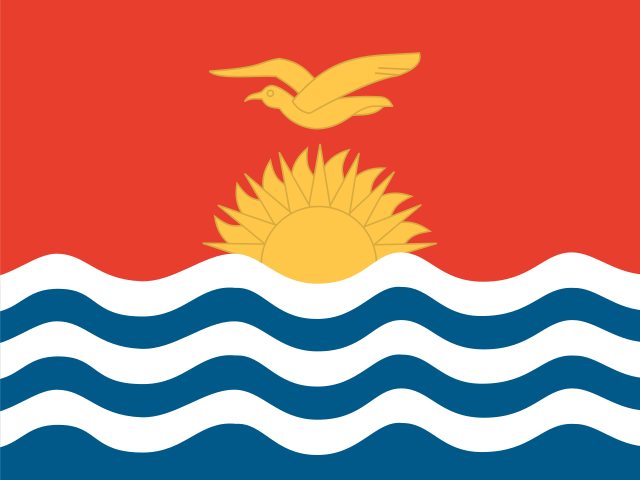 Kiribati | 811 km² | 118 k | South Tarawa | 14 | <0.01× |
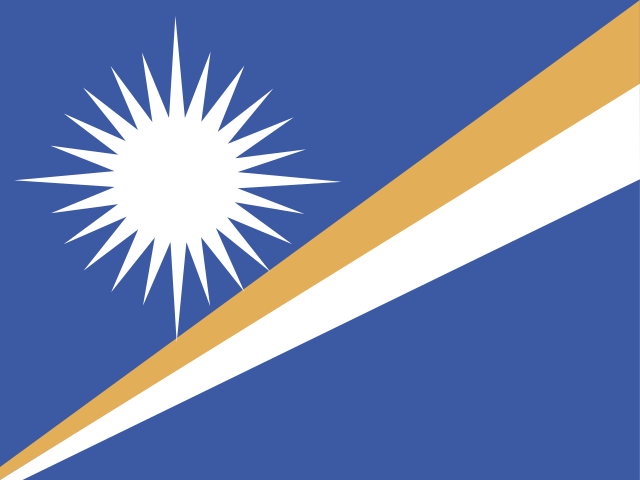 Marshall Islands | 181 km² | 59 k | Majuro | 5 | <0.01× |
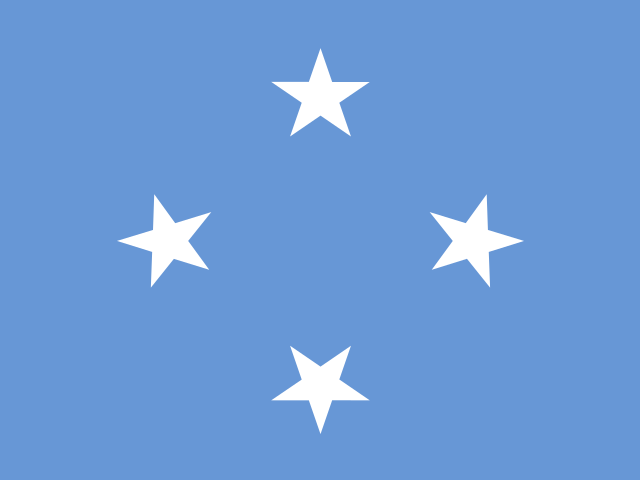 Micronesia | 702 km² | 114 k | Palikir | 5 | <0.01× |
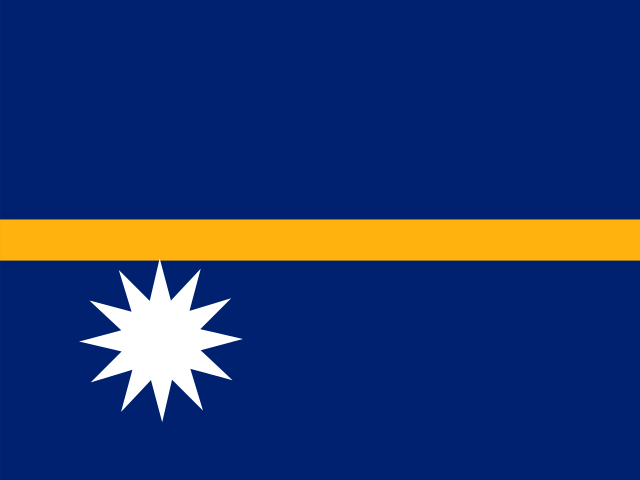 Nauru | 21 km² | 13 k | Yaren | 1 | <0.01× |
 Palau | 459 km² | 18 k | Ngerulmud | 2 | <0.01× |
 Papua New Guinea | 462,840 km² | 8.8 m | Port Moresby | 3 | 0.06× |
Draw these next
Countries near Australia share border conventions and coastline styles, which makes them the most useful follow-up practice.
Working through one country at a time is slow. Take the blank map of the world and label the whole region from memory — it shows you which neighbours you have never actually seen.
Australia drawing questions
How big is Australia?
Australia covers 7,692,024 km², ranking 6th of 190 countries here by land area and 1st in Oceania. That is 13.9 times the area of France.
What is the capital of Australia?
The capital is Canberra at about 27°S, 133°E. The game scores the shape of the border rather than the position of any city, so the capital and its coordinates are here to help you place Australia on a blank map.
Is Australia hard to draw?
It is rated medium, and carries more outline detail than 54% of the 190 borders in this game. The shape has to be placed as 1 landmass, with no straight edge longer than 8% of the perimeter to anchor it.
Does Australia border any country?
Australia has no land borders: every metre of its outline is coastline, which is why it rates as medium.